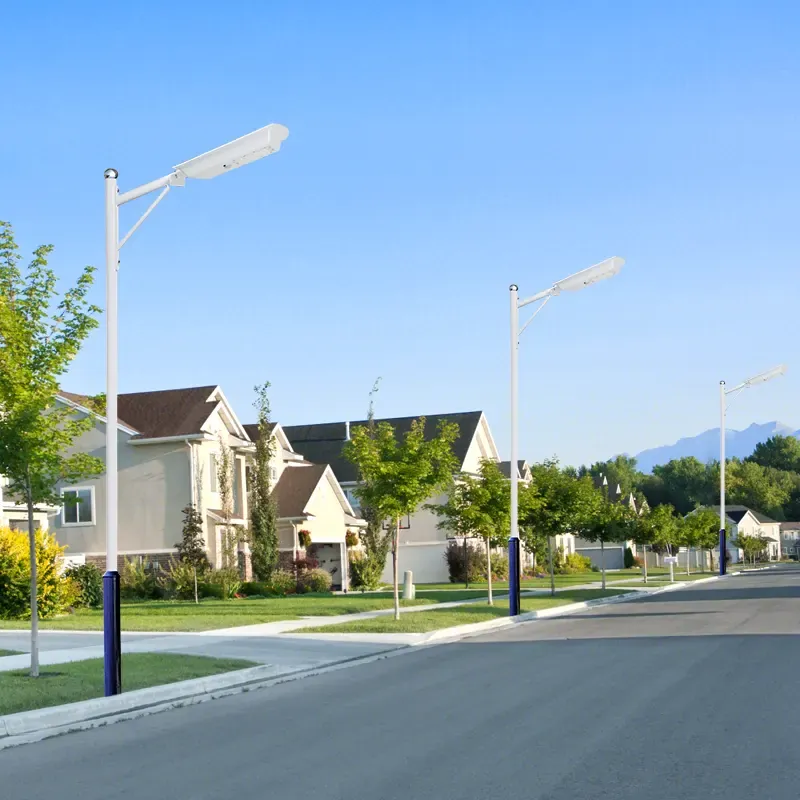


Flood lights cover a lot of ground — literally. They light up billboards, parking lots, building facades, construction sites, sport courts, and security perimeters. The question is whether to wire them into the grid (LED flood) or go off-grid (solar flood).
In 2026, the answer is not as obvious as it was five years ago. Solar panel efficiency has nearly doubled, lithium battery prices have dropped 80%, and LED efficacy is now north of 170 lm/W. Meanwhile, grid electricity prices in most markets have climbed 30-50% over the same period.
This guide walks through the real differences — not the marketing pitches — so you can pick the right technology for your specific project.
The Quick Answer
| Solar Flood | LED Flood (AC) | |
|---|---|---|
| Install cost | Higher unit, zero trenching | Lower unit, high trenching |
| Running cost | $0 forever | $30-200/year per fixture |
| Best for | Remote, no grid access | Existing grid, indoor/outdoor |
| Runtime | Limited by autonomy | Unlimited |
| Lifespan | 5-8 years (battery limits) | 10-15 years |
| Theft risk | Higher (visible) | Lower (less visible) |
The TL;DR: If the site has grid access within 50 meters and you can trench, LED wins on cost. If the site has no grid, or you cannot trench (asphalt, water, hard rock), solar wins by a mile.
The Real Cost Breakdown
Let us compare a 200W flood light installed at a typical commercial parking lot.
LED Flood (AC) — 200W equivalent
- Fixture cost: $40-80
- Wiring + trenching + conduit: $200-500
- Electrician labor: $150-300
- Total installed: ~$500-900
- Yearly electricity: 200W × 12 hr/night × 365 days × $0.12/kWh = $105/year
- 10-year total: $500 + $1,050 = $1,550
Solar Flood — 200W
- Fixture cost: $250-450
- No trenching, no wiring, no electrician
- Total installed: ~$300-500
- Yearly electricity: $0
- Battery replacement at year 6: ~$80
- 10-year total: $400 + $80 = $480
The solar flood is $1,070 cheaper over 10 years, but only if the site has no existing grid. If you already paid for the grid connection, the LED is cheaper because you avoid the solar premium.
The break-even point is roughly: if trenching would cost more than $400 per fixture, solar wins on total cost. In most remote or retro-fit situations, trenching is the killer cost.
When Solar Flood is the Right Call
Pick solar flood when:
- The site is more than 50m from any grid power source
- Trenching would damage existing surfaces (parking lot, road, decorative concrete)
- The lighting is temporary (construction site, event, 1-year lease)
- The site is in a region with unreliable grid power (many parts of Africa, South Asia, Pacific Islands)
- You want zero electricity bills and a 5-year payback story
- Theft of copper wiring is a real concern (solar has no copper to steal)
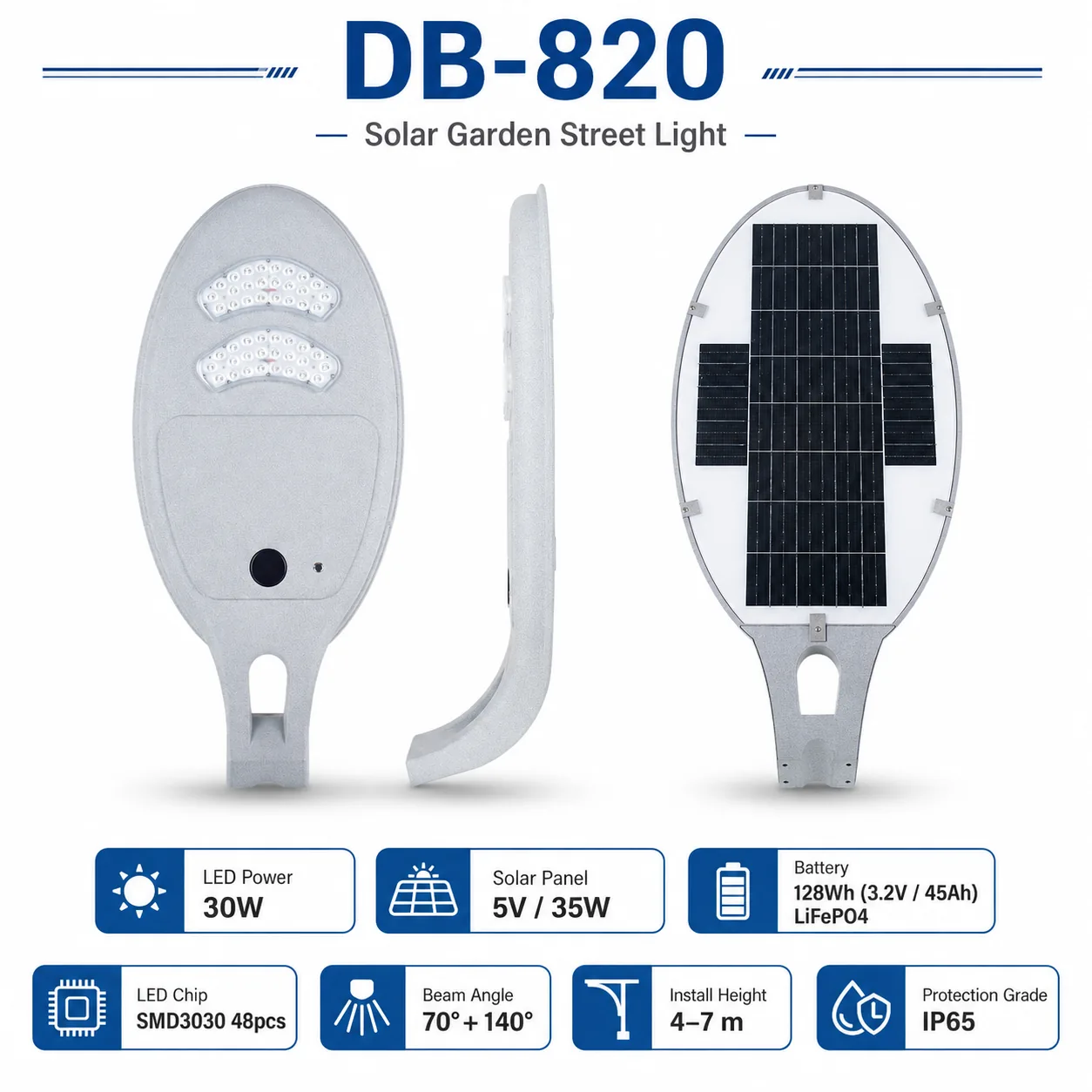
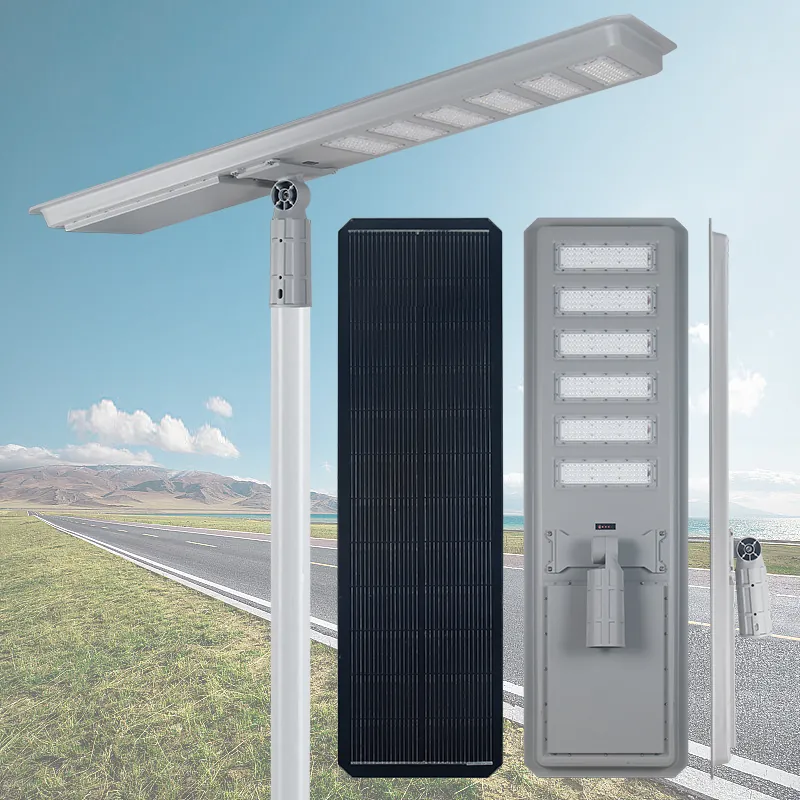
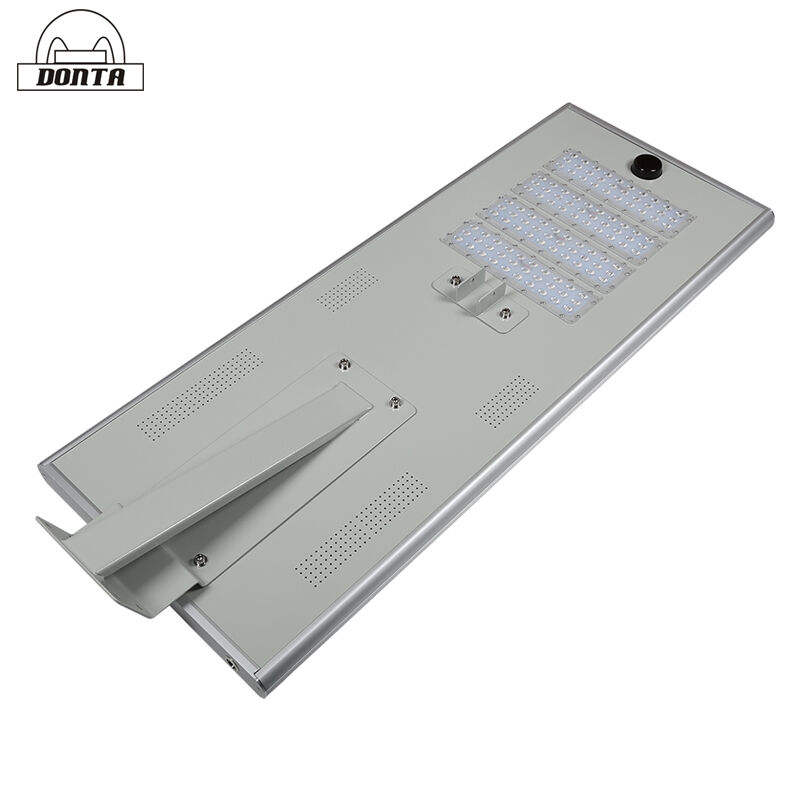
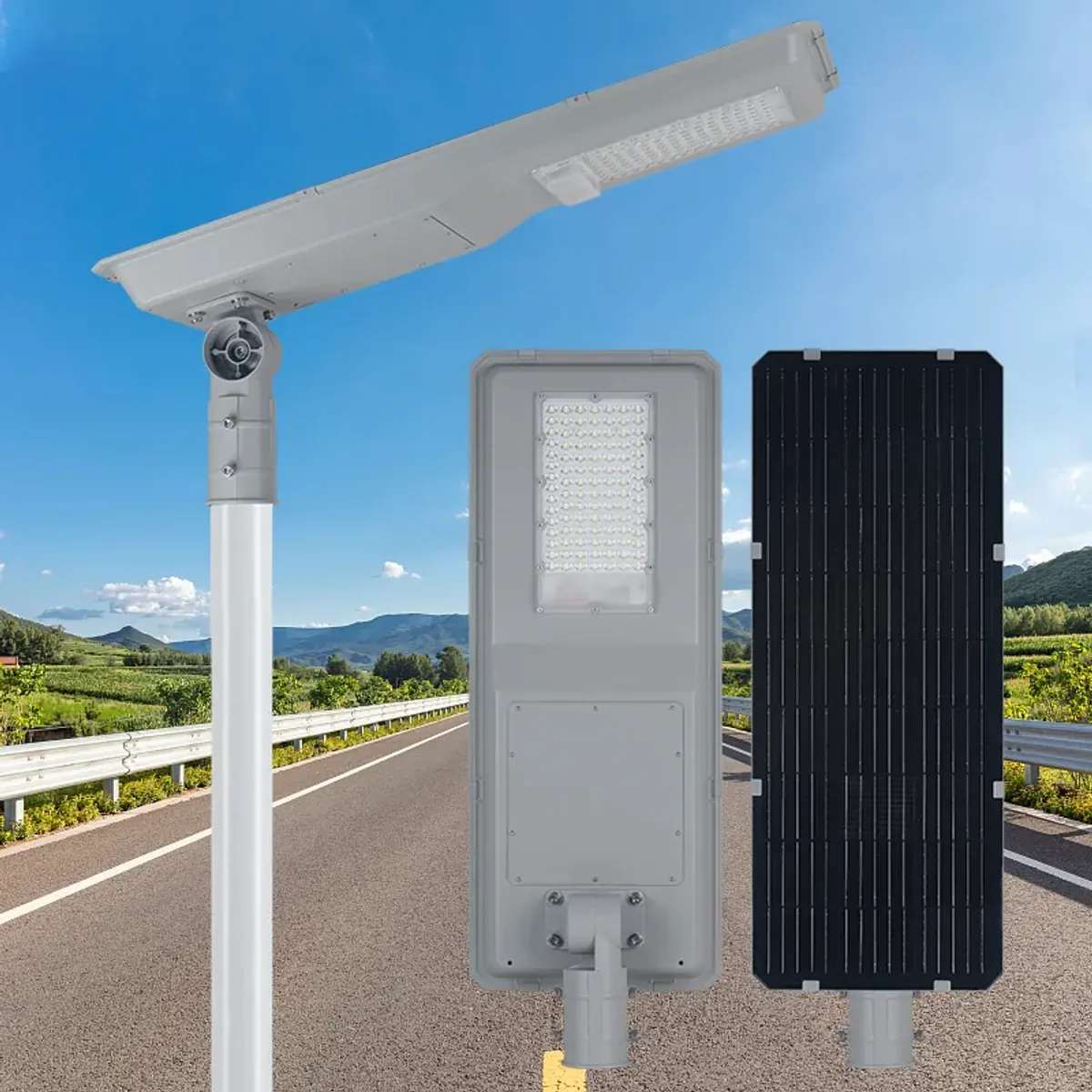
For these situations, the BW-A solar flood light is the workhorse of the industry. An SMD3030 96pcs module, a 5V/45W solar panel and a 3.2V/45AH battery in a single die-cast aluminum case rated IP65.
When LED Flood is the Right Call
Pick LED flood when:
- The site has existing grid power, possibly already trenched
- You need to run the light 24/7 (security, all-night billboard lighting)
- The project is indoors or in a covered area where solar panel cannot be mounted
- The site is in a high-theft area and a remote solar panel would be stolen
- You need a very specific color temperature or CRI that LED floods offer more options for
- The project is a small residential garden where the unit cost matters more than running cost
A Real-World Comparison
Let me put a specific case in front of you. The figures below are indicative market estimates for a single unit, not a quotation — real pricing varies with quantity, specification and destination.
Project: a flood light to illuminate a 6m × 4m billboard in Lagos, Nigeria.
Option A — Solar flood:
- BW-A solar flood light, indicative unit price: ~$320
- Mounting bracket: $20
- Total: $340
- Electricity: $0
- 10-year cost: $340 + battery replacement $80 = $420
Option B — LED flood (AC):
- Standard 200W AC LED flood, indicative: $50
- 30m of 3-core 2.5mm² cable: $80
- Trenching 30m in hard ground: $300
- Electrician (2 days): $200
- Total: $630
- 10-year electricity (10 hr/night): $1,050
- 10-year total: $1,680
The solar option is $1,260 cheaper over 10 years, and you avoid the bureaucratic nightmare of running power to a billboard in a region with intermittent grid. The decision is not even close.
What About Hybrid?
Some projects genuinely do benefit from a hybrid setup: a solar panel feeding into a grid-connected system that draws from solar first, then grid when battery is low. These are usually large commercial installations where a 200kW solar array is already planned. For a single flood light, the hybrid complexity is not worth it.
The Bottom Line
- If grid is available, cheap, and the trench is short → LED flood
- If grid is far, expensive to trench, or unreliable → solar flood
- For typical B2B projects in Africa, South Asia, and the Middle East, solar flood is winning 80% of the time in 2026
If you are still on the fence, send us the project location and a photo of the site. We will tell you honestly which one to buy — even if it is the LED.
Engineering and procurement team at Zhongshan Xiuben Lighting. We design, manufacture, and ship solar street lights, flood lights, and garden lights from our 12,000m² factory to 50+ countries.