
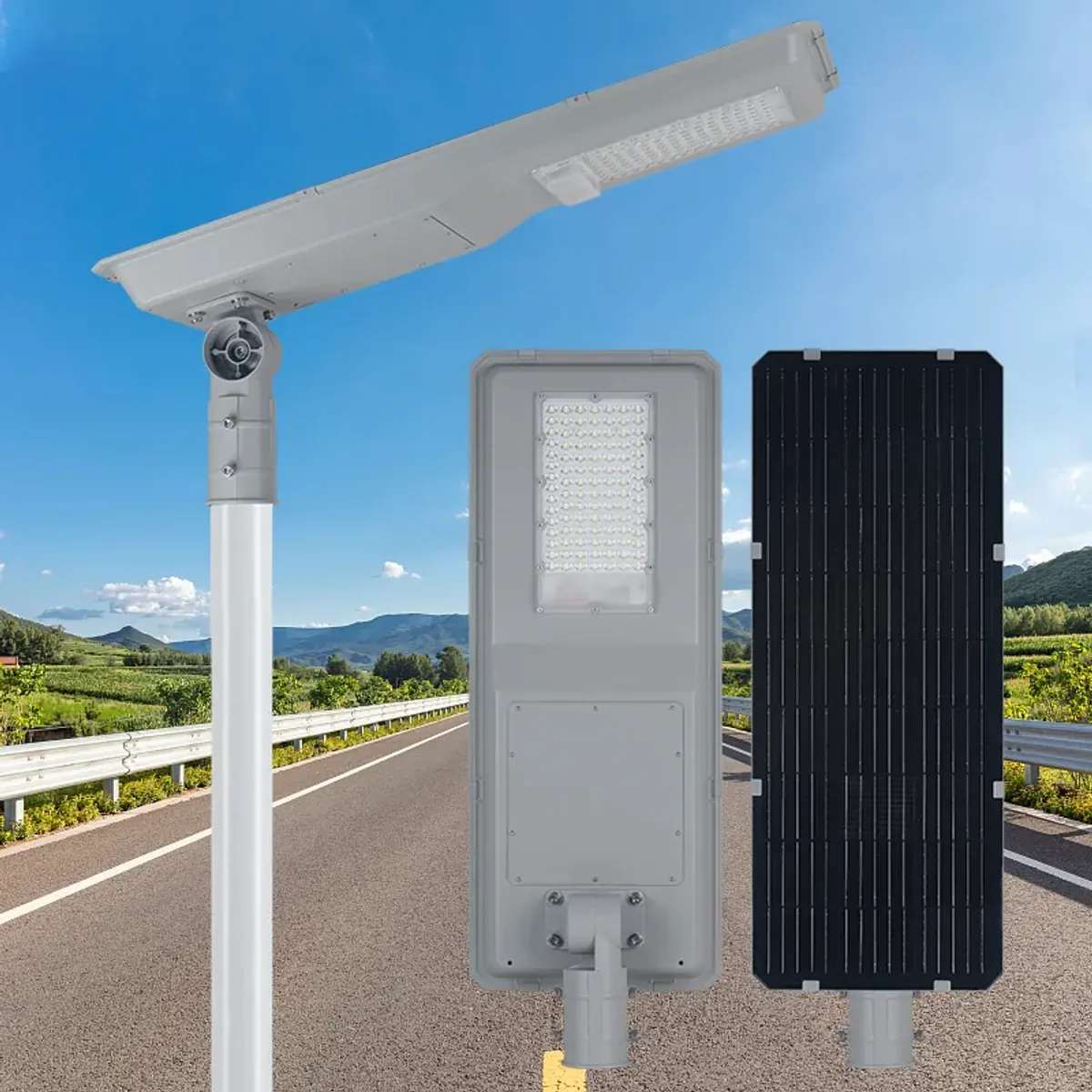
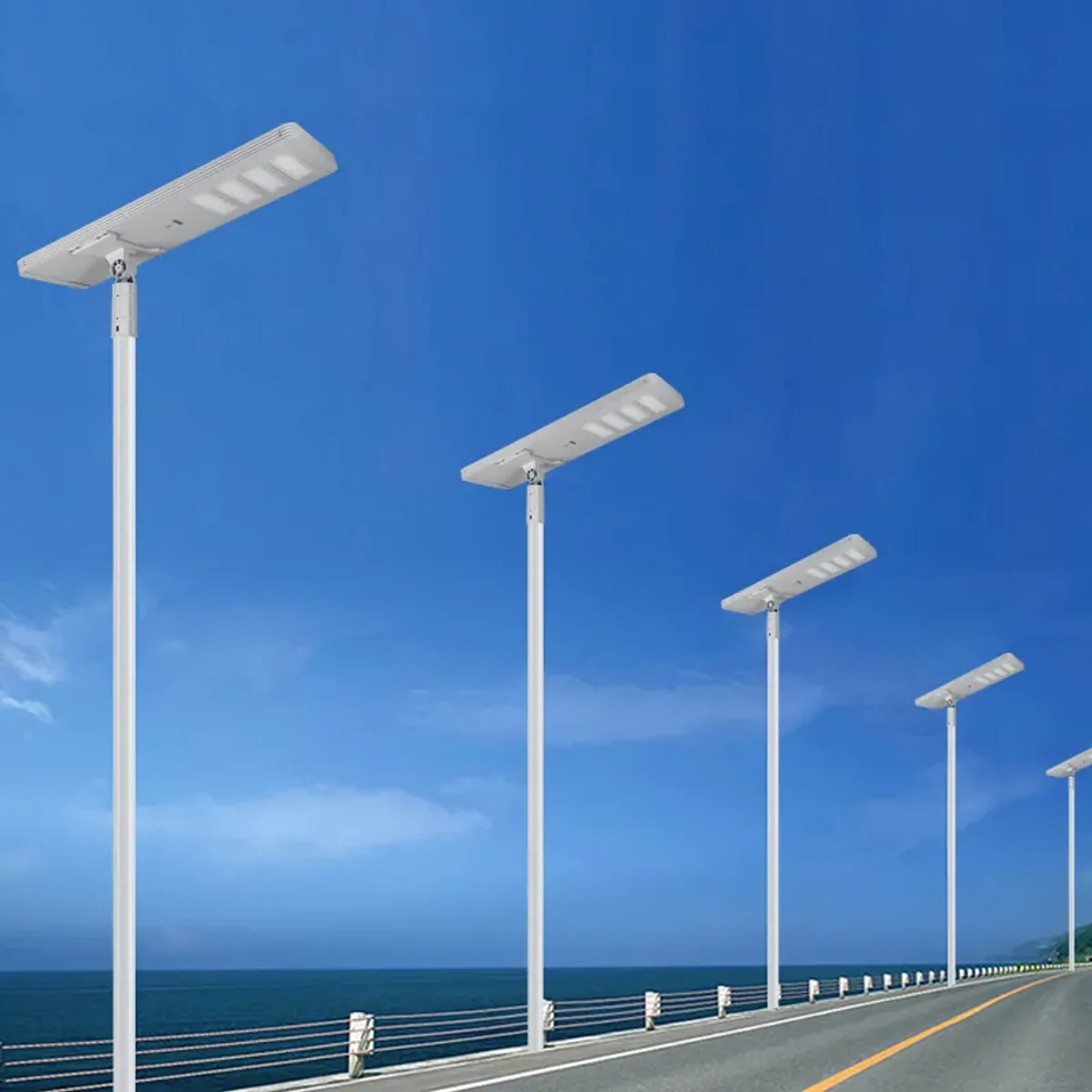
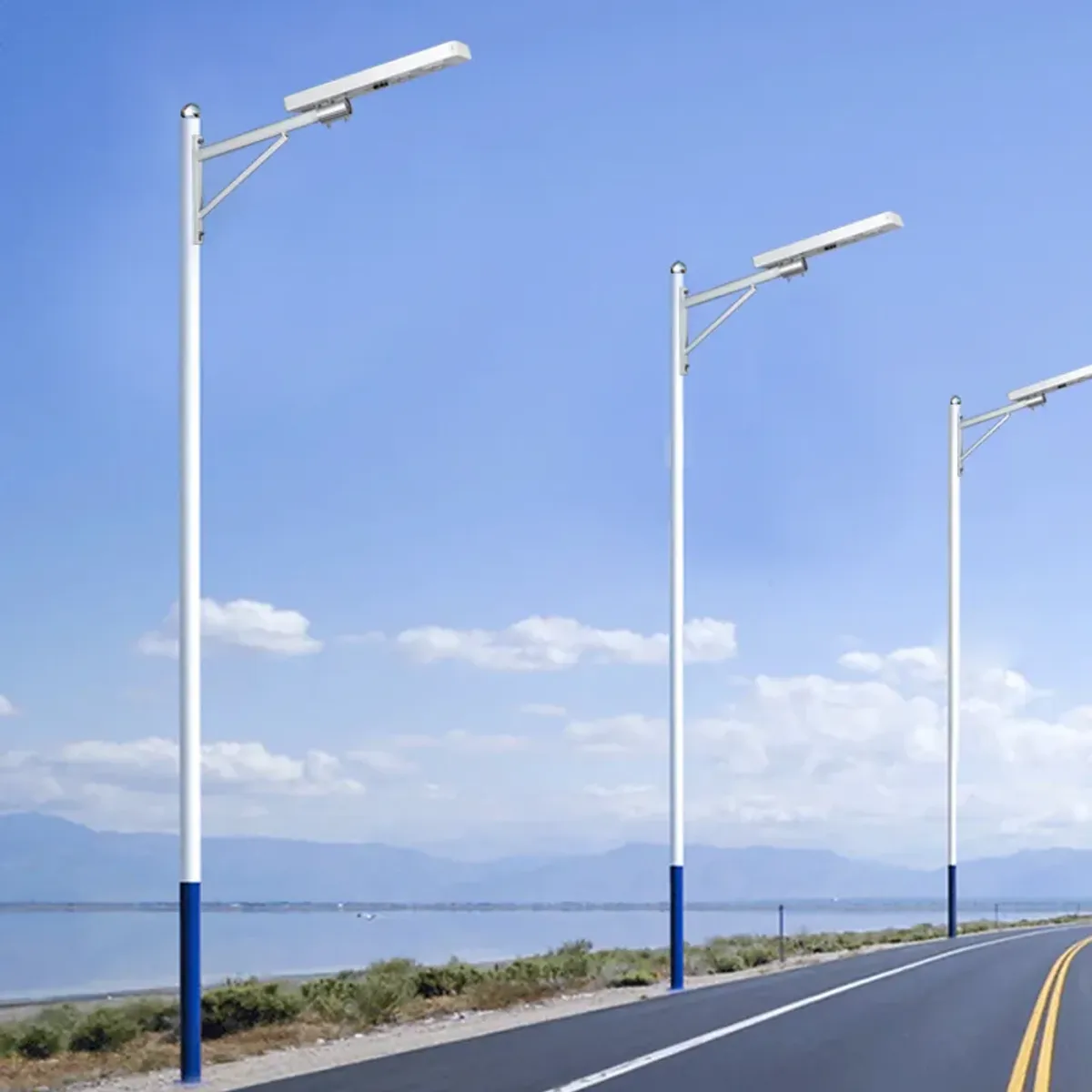
Africa is the fastest-growing solar street light market in the world. Nigeria, Kenya, Tanzania, Ethiopia, Ghana, and Senegal are importing tens of thousands of units per year, mostly for road and highway projects funded by the World Bank, AfDB, or national infrastructure budgets.
If you are a B2B buyer sourcing from China for the African market — or a project manager coordinating the import — this guide walks through everything you need to know. The differences between shipping to Mombasa vs Lagos vs Douala are bigger than you would expect, and the wrong container or the wrong certificate will cost you 6 weeks and 30% of the order value.
The 4 Common Shipment Sizes
The container size you choose depends on the fixture size and quantity.
| Container | Volume | Typical load | Best for |
|---|---|---|---|
| LCL (less than container load) | Shared | 50-200 fixtures | Sample orders, small projects |
| 20’ GP | 28 m³ | 250-500 fixtures | 100-200 pole projects |
| 40’ GP | 58 m³ | 500-1,000 fixtures | 300-600 pole projects |
| 40’ HQ | 68 m³ | 600-1,200 fixtures | Large highway projects |
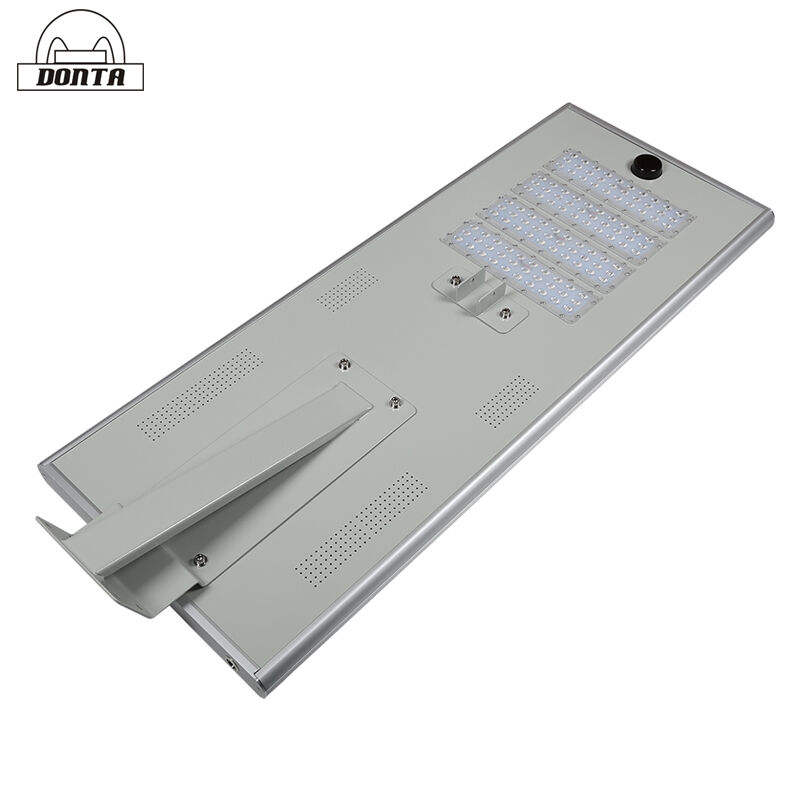
A typical 60W all-in-one solar street light with packaging measures about 700 × 400 × 250 mm per unit. A 40’ HQ holds about 1,000 units comfortably with palletization.
For most government road tenders in Africa, the shipment is 1-3 × 40’ HQ. The per-unit shipping cost drops dramatically above 500 units, so it is usually worth ordering for the full project even if delivery will take 3-6 months.
The 4 Required Documents (Minimum)
For most African countries, you need at minimum:
- Commercial Invoice — Lists every item, quantity, unit price, total value, and HS code.
- Packing List — Per-piece breakdown with weight and dimensions.
- Bill of Lading (B/L) — The shipping contract. The B/L is the document you need to take possession of the goods at the destination port.
- Certificate of Origin (Form A or RCEP) — Issued by the China Council for the Promotion of International Trade. Some African countries (Nigeria, Kenya, Tanzania) accept this for duty exemption under specific trade agreements.
Depending on the country, you may also need:
- SONCAP (Nigeria) — Standards Organisation of Nigeria Conformity Assessment Programme. Required for all imports. Must be obtained before shipment, not at destination.
- PVoC (Kenya, Uganda, Tanzania) — Pre-Verification of Conformity. Similar to SONCAP, must be obtained before shipment.
- VOC (Ghana) — Verification of Conformity. Same idea.
- SADC (Southern Africa) — For South Africa, Botswana, Namibia, Zambia.
These conformity assessments cost $300-800 per shipment and take 5-10 working days. They must be done by an accredited inspection body (SGS, BV, Intertek, or TUV).
The honest warning: if your Chinese supplier tells you “no need for SONCAP” or “we will handle it at destination,” walk away. SONCAP must be obtained before the goods leave China, and the supplier who skips it will leave you stuck at Lagos port with a $80,000 container that nobody will release.
Payment Terms That Work for African Buyers
The standard payment terms for first-time orders:
| Stage | Percentage | When |
|---|---|---|
| Deposit | 30% | On PO confirmation |
| Balance | 70% | After pre-shipment inspection, before B/L release |
The 30/70 split is the most common because it protects both sides:
- The 30% deposit covers the supplier’s raw material and production costs
- The 70% balance is paid only after the buyer (or their inspector) verifies the goods are correct
For repeat orders with established trust, terms can move to 20/80 or even 0/100 (open account) with credit insurance.
Avoid at all costs:
- 100% upfront payment — this is a red flag for scams
- 100% L/C (letter of credit) at sight — too expensive for the supplier, often refused
- 50/50 split — leaves the supplier exposed if the buyer walks away
The cleanest option for orders under $100,000 is T/T (wire transfer) 30/70. For orders over $100,000, an L/C at 30/70 (deposit 30% via T/T, balance 70% via L/C at sight) is standard.
The 5 Most Common Customs Issues
-
HS code mismatch. Solar street lights are usually HS 94054000 (other electric lamps) or 94055000 (non-electric). Wrong code means wrong duty rate. Confirm with your customs broker before shipment.
-
Undervaluation. Some suppliers under-declare the invoice value to reduce import duty. This is illegal in both China and the destination country. If caught, the goods can be seized and a fine imposed. Always insist on a true-value invoice.
-
Missing SONCAP/PVoC certificate. As mentioned above, this is the #1 reason African shipments get stuck at port. The certificate must be obtained before the goods leave China.
-
Prohibited battery declaration. LiFePO4 batteries are classified as Class 9 dangerous goods for air freight, but for sea freight they are usually allowed under IMO special provisions. The supplier must declare the batteries correctly on the shipping documents. Wrong declaration can result in the container being refused at port.
-
Container fumigation certificate. Most African countries require the container to be fumigated before import. The supplier should arrange this and include the certificate in the document set. Cost is $30-50 per container.
The 3 Common Incoterms
INCOTERMS define who is responsible for what during shipping. For solar street lights to Africa, the most common are:
- FOB (Free On Board) Shanghai/Guangzhou — The supplier delivers the goods onto the ship. The buyer takes responsibility from there (freight, insurance, customs, delivery). Most common for experienced buyers.
- CIF (Cost, Insurance, Freight) Destination Port — The supplier arranges shipping and insurance to the destination port. The buyer handles customs and inland transport. Common for first-time buyers.
- DDP (Delivered Duty Paid) — The supplier handles everything, including import duty. Most expensive, but lowest hassle. Most Chinese suppliers will not offer DDP to Africa because they cannot control the destination customs process.
For a 40’ HQ from Shanghai to Lagos, indicative 2026 freight rates are:
- FOB Shanghai: $4,000-5,000 (buyer arranges the rest)
- CIF Lagos: $7,000-9,000 (supplier arranges freight + insurance)
- DDP Lagos: $14,000-18,000 (supplier arranges everything)
The CIF option is usually the best balance for first-time buyers.
3 Case Studies from Our Shipping History
Case 1: 800 units to Mombasa, Kenya (2024)
- Project: Mombasa-Nairobi highway expansion, 40 km of solar street lighting
- Shipment: 2 × 40’ HQ
- Lead time: 25 days production + 22 days shipping + 7 days customs
- Total delivery: 54 days from PO
- Issues encountered: PVoC certificate rejected first time because of wrong HS code. Resubmitted in 3 days, no significant delay.
- Total cost: $182,000 (fixtures $156,000 + shipping $18,000 + customs $8,000)
Case 2: 400 units to Dar es Salaam, Tanzania (2024)
- Project: Dodoma region rural electrification, 400 solar street lights for 8 villages
- Shipment: 1 × 40’ GP
- Lead time: 18 days production + 28 days shipping + 14 days customs (Tanzania port is slower)
- Total delivery: 60 days from PO
- Issues encountered: Tanzania Bureau of Standards held the goods for 5 days for additional inspection. No additional cost, but added 5 days.
- Total cost: $89,000 (fixtures $74,000 + shipping $11,000 + customs $4,000)
Case 3: 1,200 units to Lagos, Nigeria (2025)
- Project: Lagos State rural road lighting program, 1,200 solar street lights
- Shipment: 1 × 40’ HQ + 1 × 40’ GP
- Lead time: 30 days production + 35 days shipping + 21 days customs (Lagos is the slowest major African port)
- Total delivery: 86 days from PO
- Issues encountered: SONCAP certificate was issued 2 days after the goods left China, so the container was held in Lagos for 11 days until the certificate was verified. We have since changed our SOP to obtain SONCAP before the goods leave the factory.
- Total cost: $258,000 (fixtures $221,000 + shipping $24,000 + customs $13,000)
What to Do First
If you are a first-time buyer of solar street lights from China to Africa:
- Confirm the project specifications — wattage, pole height, autonomy, certifications required.
- Identify the destination port and the relevant conformity assessment (SONCAP, PVoC, etc.).
- Get 2-3 quotes from reputable manufacturers (we are one, obviously, but compare).
- Order samples first — 5-10 units shipped by air to verify quality before placing a bulk order.
- Engage a freight forwarder who has experience shipping solar lights to your destination. We can recommend several.
For a free quote on a specific project, send us the project details and we will come back the same day with a complete cost breakdown including fixtures, shipping, certificates, and estimated duties.
Engineering and procurement team at Zhongshan Xiuben Lighting. We design, manufacture, and ship solar street lights, flood lights, and garden lights from our 12,000m² factory to 50+ countries.