
Every solar light datasheet lists an IP rating. Most buyers ignore it. This is a mistake that costs 30-50% of the fixture lifespan.
An IP rating is the only spec that tells you how the fixture will actually perform after year two, when the monsoon hits, when the desert dust rolls in, or when the garden sprinkler soaks the garden light for 30 minutes straight.
This guide explains what IP65, IP66, and IP67 actually test for, and which one matches your project.
What IP Ratings Measure
“IP” stands for Ingress Protection. The two digits after “IP” each measure something different:
- First digit (0-6): Protection against solid objects (dust, fingers, tools)
- Second digit (0-9): Protection against liquids (drips, sprays, immersion)
For solar lights, the relevant ratings cluster around IP65 to IP67.
| Rating | Solid protection | Liquid protection | What it means in practice |
|---|---|---|---|
| IP65 | Dust-tight | Water jets from any direction | Survives rain, hosing down |
| IP66 | Dust-tight | Powerful water jets | Survives storms, pressure washing |
| IP67 | Dust-tight | Temporary immersion (1m, 30 min) | Survives flooding, brief submersion |
| IP68 | Dust-tight | Continuous immersion | Survives permanent submersion (overkill for solar lights) |
What Each Test Actually Does
IP65 Test
The fixture is placed in a dust chamber for 8 hours with talcum powder circulating. Then it is sprayed with water from a 6.3mm nozzle at 12.5 liters per minute, from 3 meters away, for 15 minutes.
If no dust enters the housing and no water reaches the live components, the fixture passes IP65.
IP66 Test
Same dust test, but the water test is more aggressive: a 12.5mm nozzle at 100 liters per minute, from 3 meters, for 3 minutes. This is roughly equivalent to a heavy storm or a fire hose.
IP67 Test
Same dust test, then the fixture is submerged in 1 meter of water for 30 minutes. This is for flood-prone areas or sites where the fixture might be temporarily underwater (river bank, low-lying road).
Why This Matters for Solar Lights
A solar light has two enemies that grid-powered lights do not: a battery and a charging circuit. Both are sensitive to corrosion.
-
Battery corrosion: LiFePO4 cells are sealed, but the battery management system (BMS) and the wiring terminals are not. Once water gets in, it starts a slow electrolytic corrosion that kills the BMS in 2-3 years. The fixture still works, but the battery no longer protects itself from over-discharge. Capacity drops 30-40% per year after that.
-
Charging circuit corrosion: The MPPT controller board is the most failure-prone component. Water + dust + heat accelerates corrosion on the solder joints. Once a solder joint cracks, the controller fails and the fixture stops charging. From the outside, the LED still works on whatever battery is left, so the failure mode looks like “battery died early” — but the actual cause is the controller.
This is why the IP rating is not a marketing checkbox. It is the spec that determines whether the fixture lives 3 years or 8 years.
Which Rating for Which Project
| Project type | Recommended rating | Why |
|---|---|---|
| Garden light, covered patio | IP65 | Splash protection is enough |
| Residential street, temperate climate | IP65 | Adequate for most rain |
| Residential street, monsoon region | IP66 | Sustained heavy rain is expected |
| Main road, all climates | IP66 | Storm exposure is the norm |
| Coastal road (salt spray) | IP66 minimum, IP67 preferred | Salt accelerates corrosion |
| River bank, flood-prone area | IP67 | Temporary submersion possible |
| Desert (sand + dust storms) | IP66 | Dust-tight plus water jet resistance |
| Billboard flood, sports court | IP66 | High-pressure cleaning expected |
| Construction site | IP67 | Harsh handling, accidental submersion |
| Marine / pier lighting | IP67 | Salt water + submersion risk |
What Is Often Missing in Datasheets
Two things to look for:
-
Test lab certification vs self-declared. Reputable suppliers have their IP rating tested by a third-party lab (TUV, SGS, BV). The certificate has a number you can verify. Self-declared ratings are common and rarely accurate — the supplier puts IP66 on the box without testing.
-
The “after thermal cycling” test. A fixture that passes IP66 when brand new may fail after 200 thermal cycles (the housing expands and contracts as the battery heats and cools). The premium suppliers (us included) do thermal-cycle testing before the IP test. Cheaper suppliers skip this and the IP rating is only valid for the first 6 months.
When you ask your supplier for the IP certificate, ask for two documents: the IP test report, and a thermal-cycle test report (or a statement that the test was done). If they cannot produce both, the IP rating is decorative.
How We Test Our Fixtures
Every model in our catalog goes through:
- 8-hour dust chamber (IP6X)
- 200 thermal cycles (-20°C to +60°C, 4 hours each)
- Re-run the IP6X dust test
- Water test (IPX5, X6, or X7 depending on rating)
- 48-hour salt spray test (for coastal-rated models)
The whole sequence takes 3 weeks. It is the reason our 5-year warranty claim rate is under 1.5%.
What If a Supplier Says “IP68”?
Walk away. IP68 means continuous submersion, which is not a real use case for solar street lights or flood lights. Suppliers who advertise IP68 are usually hiding the fact that they cannot pass IP66 properly, and IP68 has no defined depth or duration standard (it is supplier-defined). It is a marketing number, not an engineering number.
The Bottom Line
- Garden light under an eave: IP65
- Most outdoor solar lights: IP66
- Coastal, flood zone, or harsh environment: IP67
If your supplier is selling you a 100W all-in-one solar street light at IP65 for a tropical road project, that fixture will start failing in year two. The price difference between IP65 and IP66 is usually 3-5%. The lifespan difference is 3 years versus 7 years. Pay the difference.
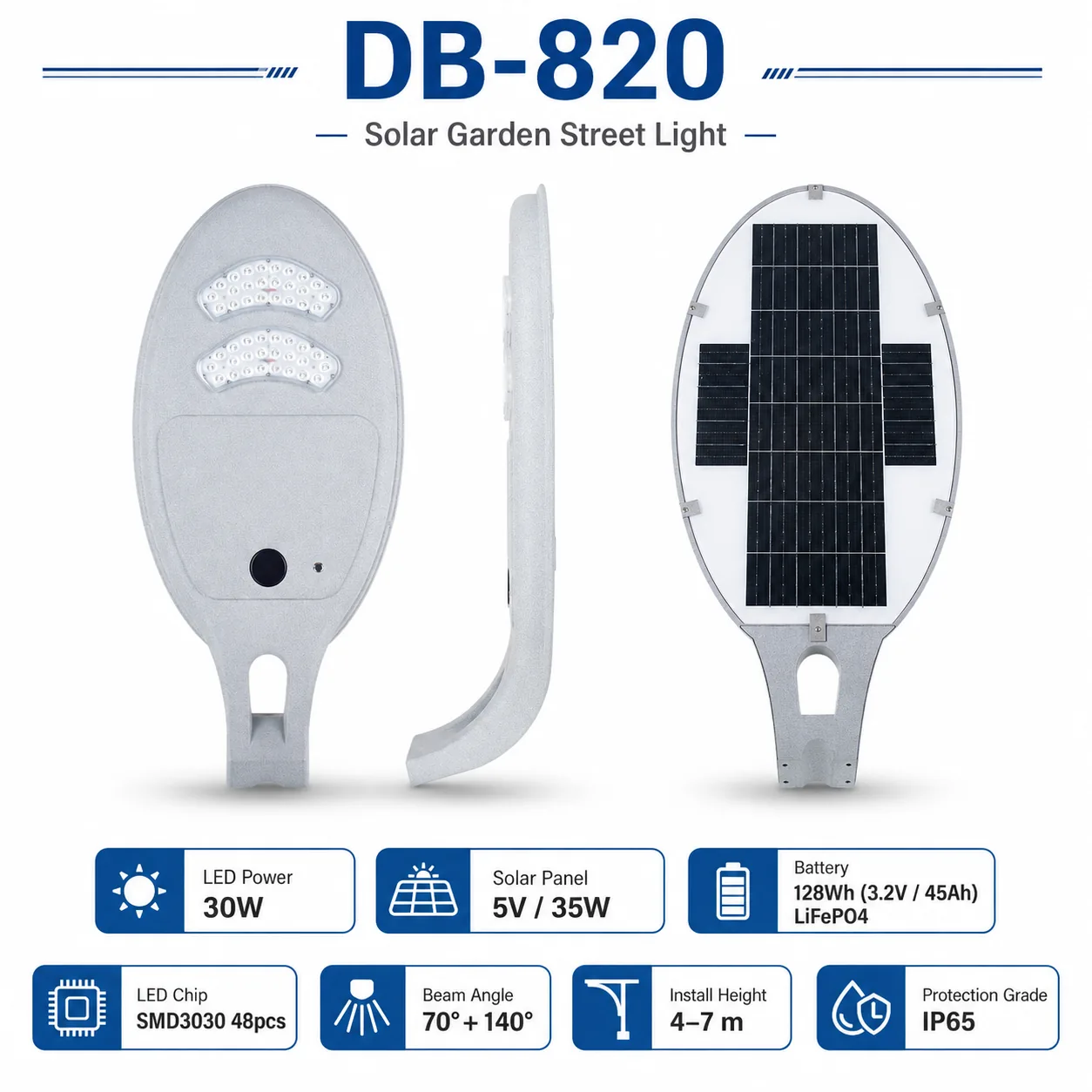
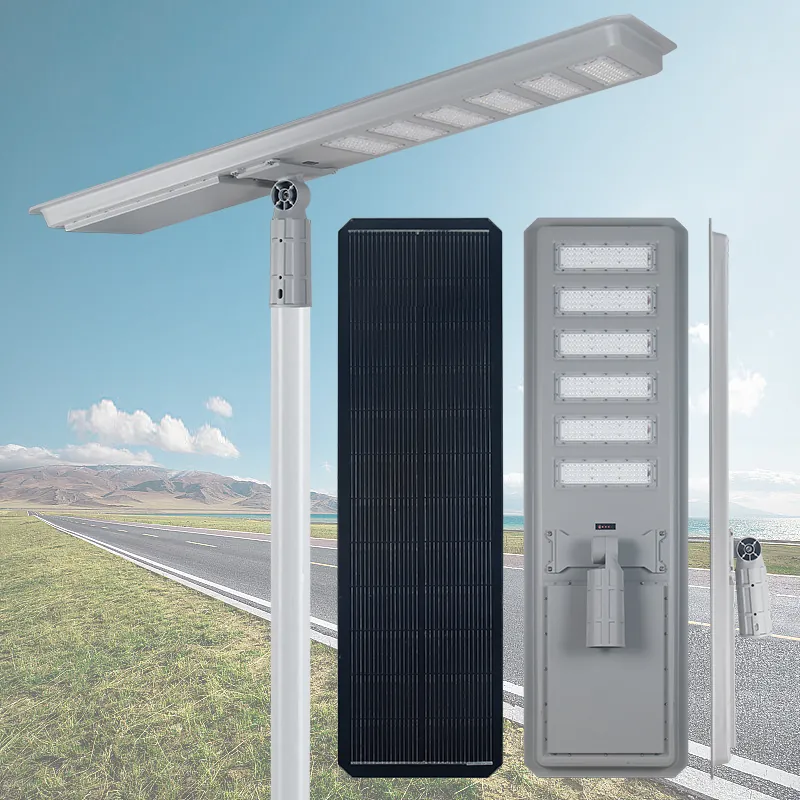
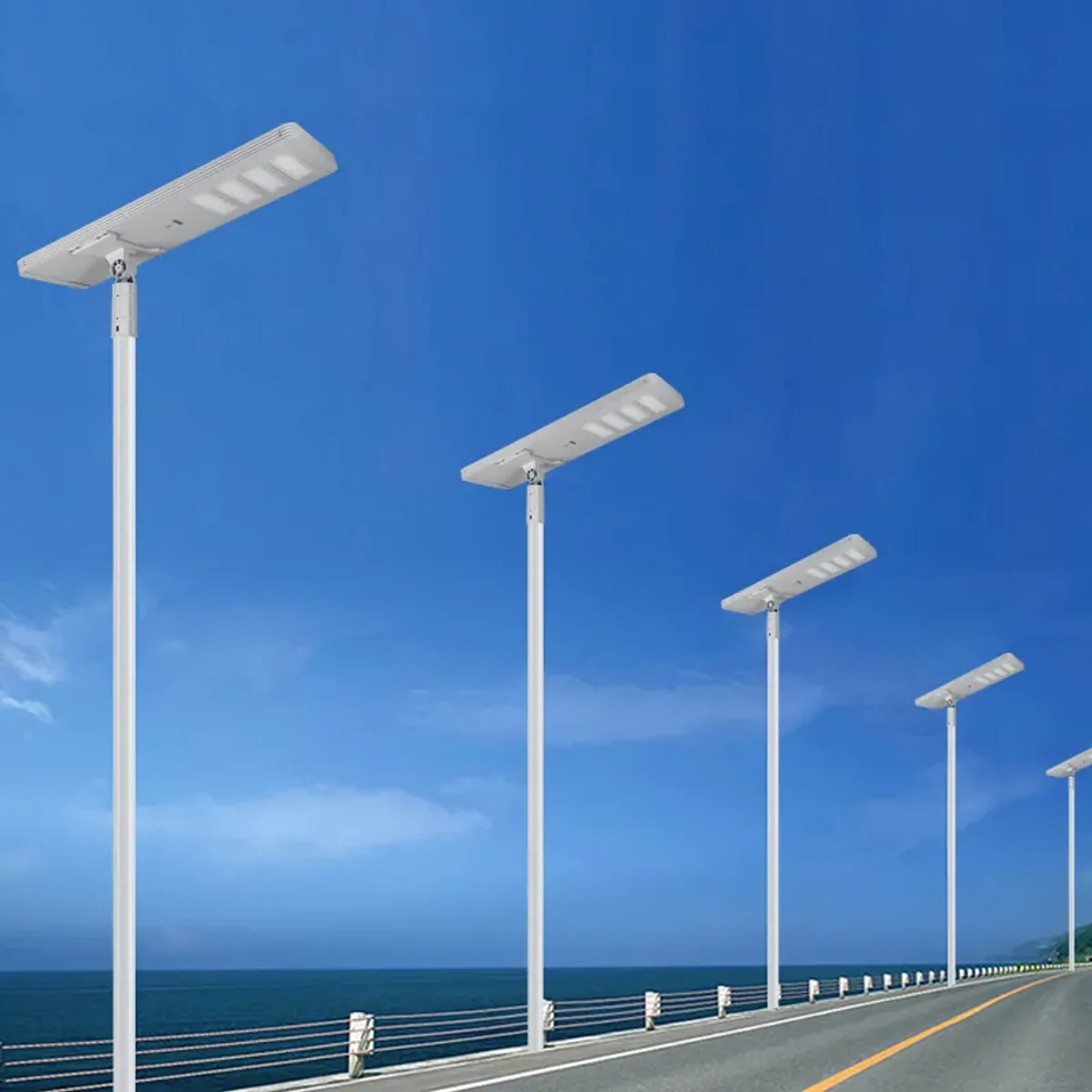
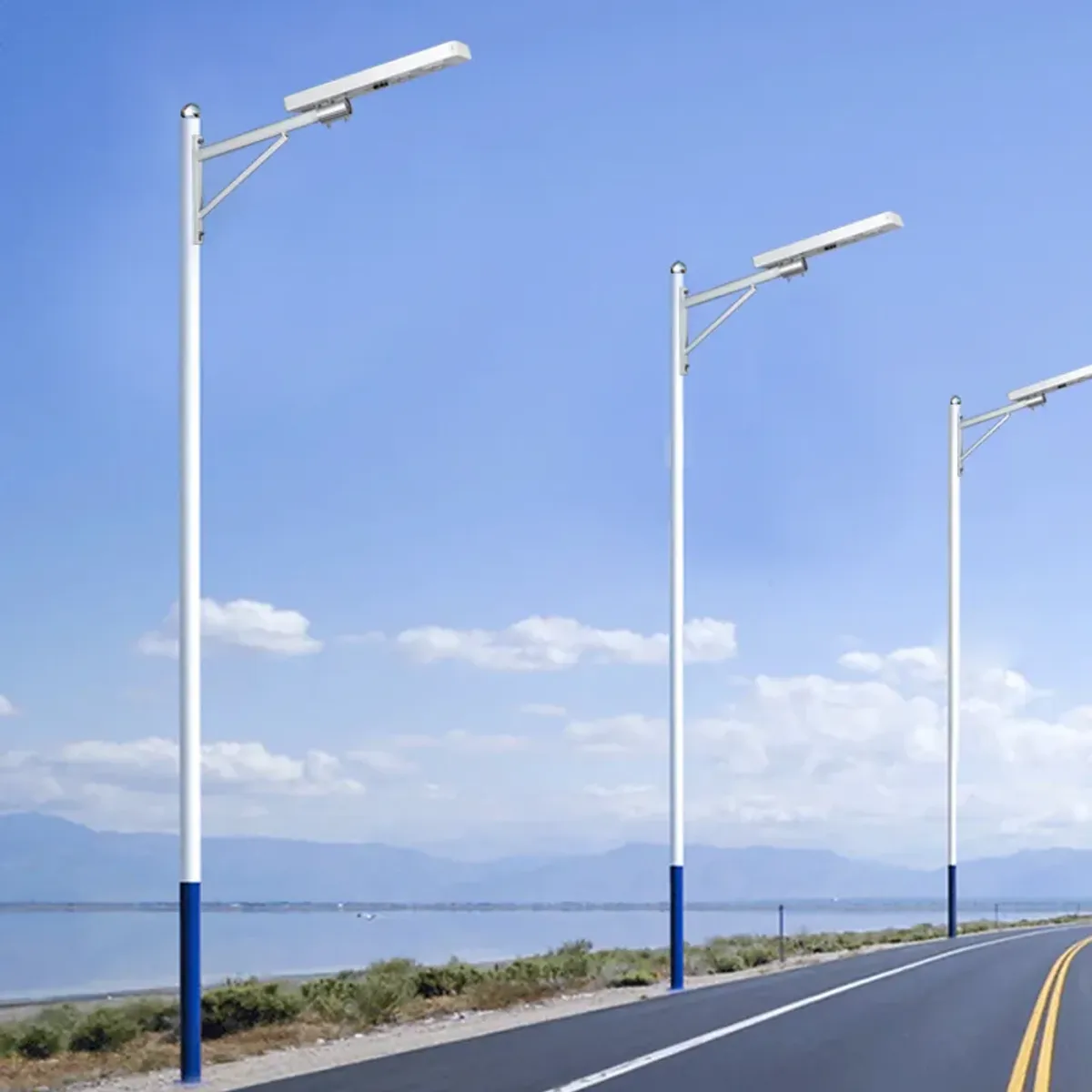
For our product range, every road-rated fixture — the TR408-A all-in-one included — is IP66, and garden lights are IP65 because they are not exposed to the same conditions.
If you are unsure which rating matches your project, send us the project location and we will tell you honestly.
Engineering and procurement team at Zhongshan Xiuben Lighting. We design, manufacture, and ship solar street lights, flood lights, and garden lights from our 12,000m² factory to 50+ countries.